
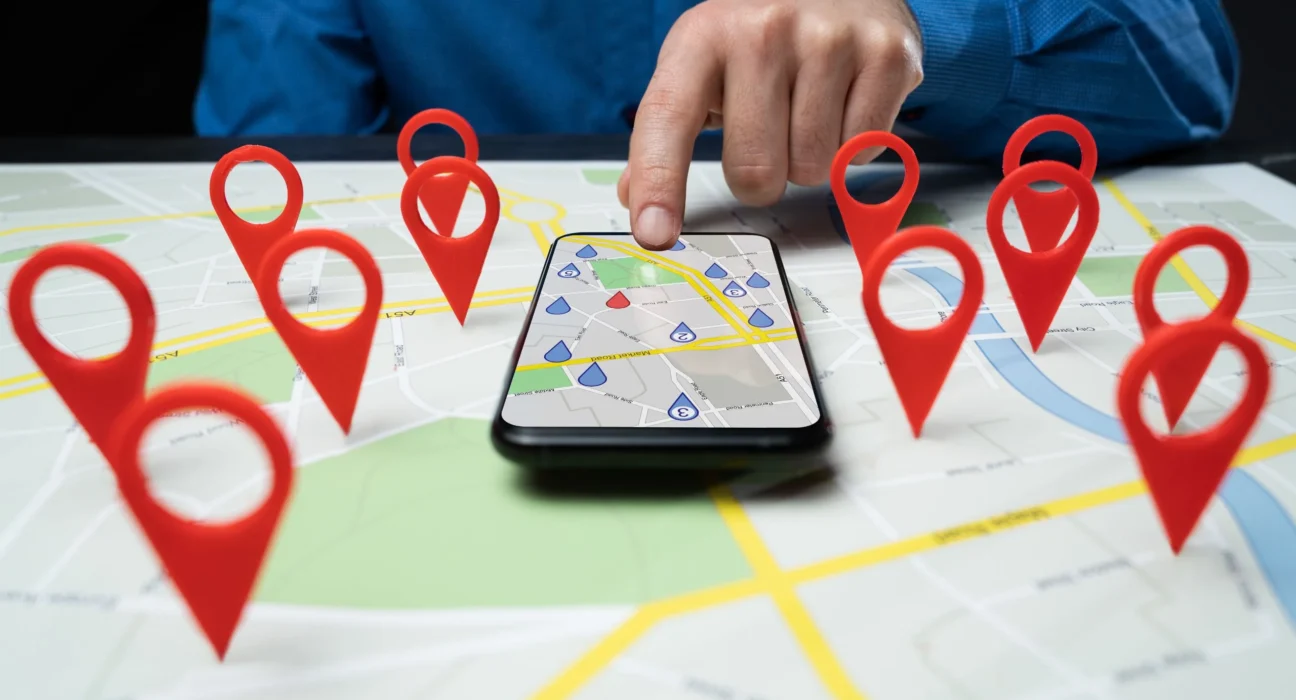
For small businesses, growth often starts close to home. That is why local marketing strategies remain one of the most practical ways to attract nearby customers, increase visibility, and build long-term trust in the community. Whether you run a shop, restaurant, clinic, service company, or consultancy, local marketing helps you show up where real buying decisions happen — in nearby searches, local recommendations, and neighborhood conversations.
That matters more than ever today. Strong local visibility is not just good for branding; it can directly influence calls, visits, bookings, and sales. For small businesses, local marketing is one of the most effective ways to turn nearby demand into real growth.
Table of Contents
ToggleWhat Is Local Marketing?
Local marketing is the process of promoting your business to customers within a specific geographic area. It combines digital tactics like search visibility, reviews, and social media with offline strategies such as events, partnerships, and community engagement.
In simple terms, it is about becoming the business people nearby notice, trust, and choose first.
A strong local strategy also works better when it fits into your wider business growth plan. For example, if you are building a more digital-first operation, it helps to combine local visibility efforts with smarter systems and workflows, as discussed in our guide on cloud technology for small business. You can also explore more digital insights on the TechnosMedia home page.
Why Local Marketing Matters for Small Businesses
Small businesses rarely have the budgets of national brands, but they do have something powerful: proximity. Customers often prefer businesses that feel accessible, familiar, and active in the local community.
Local marketing helps you attract nearby customers who are already ready to buy, improve visibility in local search results, strengthen word-of-mouth referrals, build trust through reviews and reputation, and create repeat business through stronger community connections.
The advantage is not only online. Local marketing also helps bridge digital discovery with physical action — a store visit, a phone call, a booking, or a walk-in customer.
Essential Local Marketing Strategies
1. Optimize Your Google Business Profile
Your Google Business Profile is one of the most important local marketing assets you have. When customers search for products or services near them, an optimized profile can help your business appear in Google Search and Google Maps.
Make sure your profile includes accurate business name, address, phone number, opening hours, real photos, service details, and regular updates. Encouraging customer reviews and responding to them consistently can also improve trust and engagement.
2. Strengthen Local SEO
Local SEO helps your website show up when people search for nearby services or products. This includes using location-based keywords, optimizing title tags and meta descriptions, creating useful local content, and maintaining consistent business information across the web.
For example, instead of targeting only a broad phrase like “best bakery,” a local business may target “best bakery in Lahore” or “custom cakes in Rahim Yar Khan.”
You can also strengthen local SEO by publishing useful content tied to your region, customers, or events. For a broader look at where digital behavior is heading, read our article on top technology trends. For deeper SEO learning, the Moz Beginner’s Guide to SEO is also a useful resource.
3. Build Reviews and Online Reputation
Online reviews strongly influence whether local customers trust your business enough to visit, call, or place an order. A business with a healthy review profile often looks more credible than a business with little or no customer feedback.
Encourage satisfied customers to leave reviews on Google, Facebook, Yelp, or niche industry platforms relevant to your field. The key is not just collecting reviews but responding to them thoughtfully. A polite, professional response to both positive and negative feedback shows that your business is active and customer-focused.
4. Use Social Media for Local Engagement
Social media works best for local businesses when it feels local. Instead of posting generic updates, focus on content that reflects your area, your customers, and your daily business activity.
This can include local offers and seasonal promotions, customer stories, behind-the-scenes content, event announcements, and community-related updates. Geo-targeted ads on Facebook and Instagram can also help you reach nearby audiences more efficiently. If you want to improve your social strategy, Hootsuite’s social media marketing resources can help you sharpen your approach.
5. Create Content with Local Relevance
Content marketing becomes much more powerful when it reflects local interests and local intent. Small businesses can publish blog posts, videos, or guides around neighborhood events, area-specific problems and solutions, customer success stories, local buying tips, or community-focused content.
This kind of content helps you rank for localized searches while also building familiarity with your audience. It makes your business feel connected to a real place rather than just another website.
Offline Local Marketing Still Works
Even in a digital-first world, local marketing is not only about the internet. Face-to-face trust still matters.
Some practical offline strategies include sponsoring local events, partnering with nearby businesses, offering referral incentives, running community workshops, and using local print or radio where relevant. These efforts can increase visibility and create stronger community relationships, especially when paired with online promotion.
A Simple Real-World Example
A practical local example is a bakery that improves its Google Business Profile, strengthens local SEO, and begins appearing in the top local results for nearby searches. That kind of visibility can translate into more foot traffic, stronger trust, and better sales within a short time.
The lesson is simple: when a local business improves discoverability, trust, and local relevance at the same time, growth becomes much more achievable.
How to Measure Local Marketing Success
Local marketing should be tracked just like any other growth effort. Useful performance indicators include website traffic from local searches, calls and direction requests from your Google Business Profile, review growth and engagement, local keyword rankings, social media engagement from local audiences, and in-store visits or sales linked to campaigns.
Tools like Google Analytics, your Google Business Profile dashboard, and social platform insights can help you understand what is working and where to improve.
Final Thoughts
Local marketing strategies are essential for small business growth because they connect your business with customers who are physically close, actively searching, and often ready to take action. When done well, local marketing improves search visibility, strengthens reputation, builds customer loyalty, and turns nearby interest into real business results.
The best approach is not to rely on one tactic alone. Combine an optimized Google Business Profile, stronger local SEO, reviews, community engagement, local content, and simple offline promotion. Together, these efforts create a more visible and trusted local brand.