Table of Contents
ToggleTop Life-Saving Gadgets to Enhance Safety
Life-saving gadgets are more than just clever tech. They are tools designed to protect people in emergencies, reduce risks, and help users respond faster when every second matters. From personal alarms and emergency beacons to smart detectors and first-aid tools, the right device can make a real difference in an unexpected situation.
In this guide, we explore some of the most practical life-saving gadgets available today, how they work, and why they matter for everyday safety, home preparedness, and outdoor emergencies. For more technology coverage, visit the TechnosMedia home page or read our article on top technology trends.
What Makes a Gadget “Life-Saving”?
A life-saving gadget is any device that helps protect a person from danger, speeds up an emergency response, or improves the chances of safety during a crisis. The best ones combine reliability, ease of use, durability, and practical value under pressure.
These gadgets are especially useful for:
- Outdoor adventurers and hikers
- Families and homeowners
- Commuters and city dwellers
- Travelers and remote workers
- Seniors or people with medical needs
Top Life-Saving Gadgets Worth Considering
1. Personal Safety Alarms
Personal safety alarms are small devices that emit a loud siren when activated. They are designed to draw attention quickly, create a moment of shock, and help a user call for help in a threatening situation. These gadgets are especially useful for students, solo commuters, joggers, travelers, and elderly users.
Many models are lightweight enough to attach to a keychain or bag, and some include extras such as flashing lights or app connectivity. Their main strength is simplicity: they are easy to carry, fast to activate, and immediately noticeable.
2. Portable Defibrillators (AEDs)
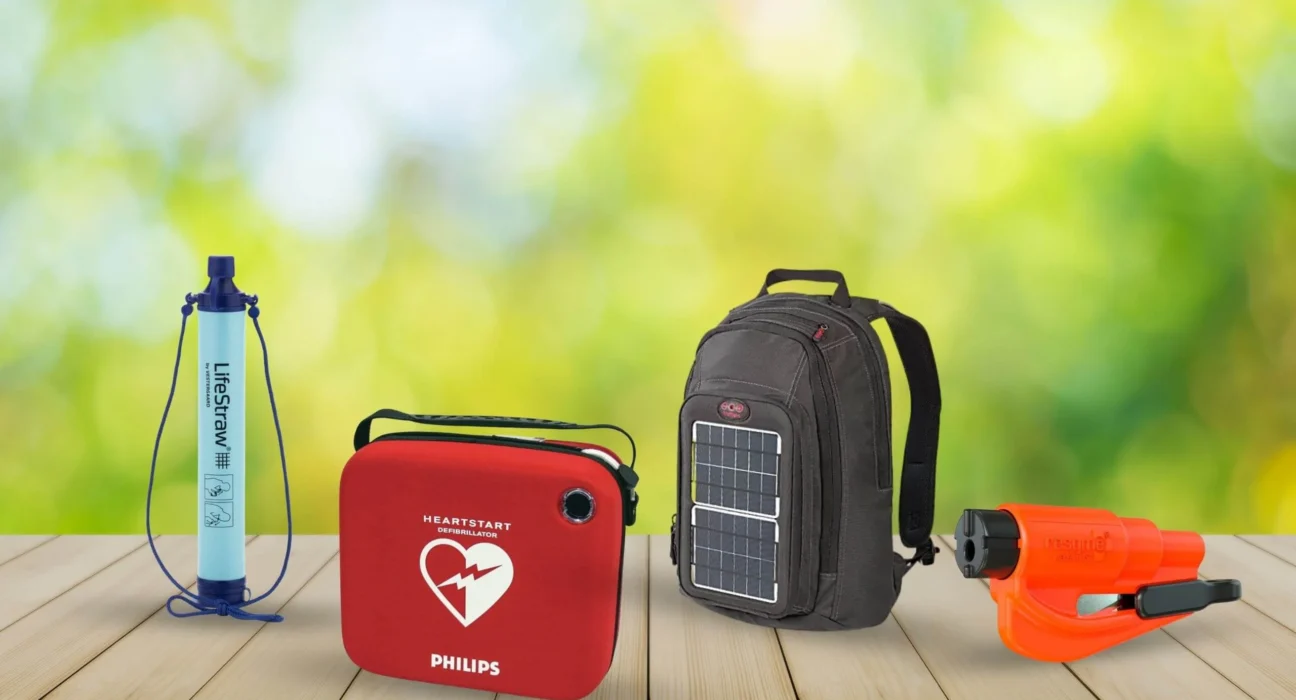
An automated external defibrillator, or AED, is one of the most important life-saving devices used during a cardiac emergency. Modern AEDs are designed to guide users with clear voice prompts, making them usable even by people without formal medical training.
Speed matters enormously in these situations. The American Heart Association notes that survival decreases by about 7% to 10% for every minute defibrillation is delayed. That is why AED access in homes, schools, gyms, offices, and public venues can be so valuable.
3. GPS Rescue Beacons
For hikers, climbers, campers, sailors, and remote travelers, GPS rescue beacons can be life-saving. Unlike regular smartphones, these devices do not depend on cell coverage. Instead, they use satellite connectivity to send SOS alerts and location details when a user is outside normal network range.
Some advanced devices also support two-way messaging, which can help responders understand the emergency better. Garmin has publicly reported that its inReach users triggered more than 10,000 SOS incidents in 2022, showing how meaningful satellite-based emergency tools can be in real-world situations. If you are interested in how connected devices are reshaping personal safety, our article on the future beyond smartphones adds more context.
4. Smart Smoke and Carbon Monoxide Detectors
Smart smoke and carbon monoxide detectors go beyond the traditional alarm. In addition to sounding alerts at home, many smart models can send notifications to your phone, helping you respond faster even when you are away. That extra layer of awareness can be useful for families, landlords, and anyone who wants better home monitoring.
These devices are often easier to integrate into a broader smart-home safety system, especially when combined with app alerts, battery monitoring, and voice notifications. While traditional alarms still matter greatly, smart detectors can improve awareness and response time.
5. Emergency Water Filters
Emergency water filters and purification straws are compact but highly practical survival tools. In disaster situations, outdoor travel, or emergency kits, access to clean water can become more important than almost anything else. Portable filters help reduce biological contaminants and make untreated water sources safer to use when clean supplies are limited.
They are especially valuable for camping kits, go-bags, vehicles, and home emergency storage. Even if you never need one in a major emergency, having a compact water filtration option is a smart preparedness move.
6. Wearable Medical Alerts
Wearable medical alert devices can help seniors, people living alone, and users with medical conditions contact help quickly. Many modern devices include fall detection, emergency calling, GPS location sharing, or caregiver notification features.
This category also overlaps with broader wearable technology. As personal tech becomes more intelligent and connected, wearables are taking on a larger role in everyday safety, not just convenience.
7. Life Jackets and Personal Flotation Devices
Life jackets and personal flotation devices remain some of the most important water safety tools available. They are essential for boating, kayaking, fishing, paddleboarding, and many other water activities. Good flotation gear helps keep a person above water, improves visibility, and increases the chance of rescue.
Modern designs are lighter, more comfortable, and often easier to wear for extended periods, which helps encourage actual use. In water emergencies, proper flotation equipment is still one of the simplest and most effective safety measures available.
8. First Aid and Trauma Kits
A well-stocked first aid or trauma kit is one of the most practical life-saving tools for a home, car, office, or travel bag. These kits can help users stabilize injuries, control bleeding, clean wounds, and support a person until professional help arrives.
The best kits are organized, easy to access, and matched to the situations you are most likely to face. For example, a travel kit, hiking kit, and household emergency kit may each need different priorities.
Quick Comparison of Life-Saving Gadgets
| Gadget | Main Use | Best For |
|---|---|---|
| Personal Safety Alarm | Immediate attention and deterrence | Commuters, students, travelers |
| Portable AED | Cardiac emergency response | Homes, gyms, schools, workplaces |
| GPS Rescue Beacon | Satellite SOS and location sharing | Hikers, sailors, remote travelers |
| Smart Smoke/CO Detector | Early warning and remote alerts | Families, landlords, homeowners |
| Emergency Water Filter | Safer drinking water in emergencies | Campers, disaster kits, travelers |
| Wearable Medical Alert | Emergency calling and fall detection | Seniors, solo users, medical-risk users |
| Life Jacket / PFD | Water flotation and survival | Boaters, anglers, water-sport users |
| First Aid / Trauma Kit | Immediate stabilization before help arrives | Homes, cars, offices, travel kits |
How to Choose the Right Life-Saving Gadgets
The best safety gadget depends on your environment and lifestyle. A solo commuter may benefit most from a personal alarm, while a family home may need smart detectors and a trauma kit. Hikers and outdoor travelers should think seriously about water filtration and GPS rescue tools. Anyone with cardiac risk in the household should consider AED access where practical.
When choosing a product, focus on:
- Reliability: Choose trusted brands and well-reviewed products.
- Ease of use: In an emergency, simple operation matters.
- Durability: Outdoor and emergency gear should withstand harsh conditions.
- Maintenance: Check batteries, expiry dates, and service requirements.
- Fit for purpose: Buy according to your actual risk environment, not just popularity.
Authoritative Safety Resources
For official guidance, standards, and emergency preparedness information, these resources are worth bookmarking:
- U.S. FDA – Medical Devices
- American Red Cross – Emergency Preparedness
- National Fire Protection Association
- American Heart Association – CPR Facts and Stats
Final Thoughts
Life-saving gadgets offer more than convenience. They improve preparedness, buy valuable time, and help users act more effectively when emergencies happen. Whether you are building a home safety setup, preparing for travel, or improving personal protection, the right gadgets can strengthen both confidence and real-world readiness.
No single tool can solve every emergency, but a thoughtful mix of alarms, medical devices, safety wearables, water filters, rescue tools, and first-aid supplies can make a meaningful difference when it matters most.
FAQs
What qualifies as a life-saving gadget?
A life-saving gadget is a device designed to help protect users from harm, improve emergency response, or provide critical support during dangerous situations.
Do life-saving gadgets expire?
Some do. First-aid items, batteries, filters, cartridges, and certain emergency components may need replacement over time. Always follow manufacturer guidance.
Are smart safety gadgets better than traditional ones?
Smart gadgets can offer added features like remote alerts and app-based monitoring, but traditional tools such as AEDs, flotation devices, and basic first-aid kits remain essential for direct emergency response.
“These gadgets can support emergency response, but they do not replace professional medical care, emergency services, or proper safety training.”