The iPhone 17 Air has become one of the most talked-about iPhones in Apple’s lineup because it pushes a very different idea of what a flagship phone should be. Instead of focusing only on bigger cameras and heavier hardware, Apple appears to be betting on something many users still care deeply about: a phone that feels thinner, lighter, and easier to carry every day.
That makes the iPhone 17 Air stand out immediately. It is positioned as a design-first device, but it still carries premium performance and several flagship-level features. At the same time, it also comes with visible tradeoffs, which is exactly why it has sparked so much interest.
Table of Contents
ToggleWhat Makes the iPhone 17 Air Different?
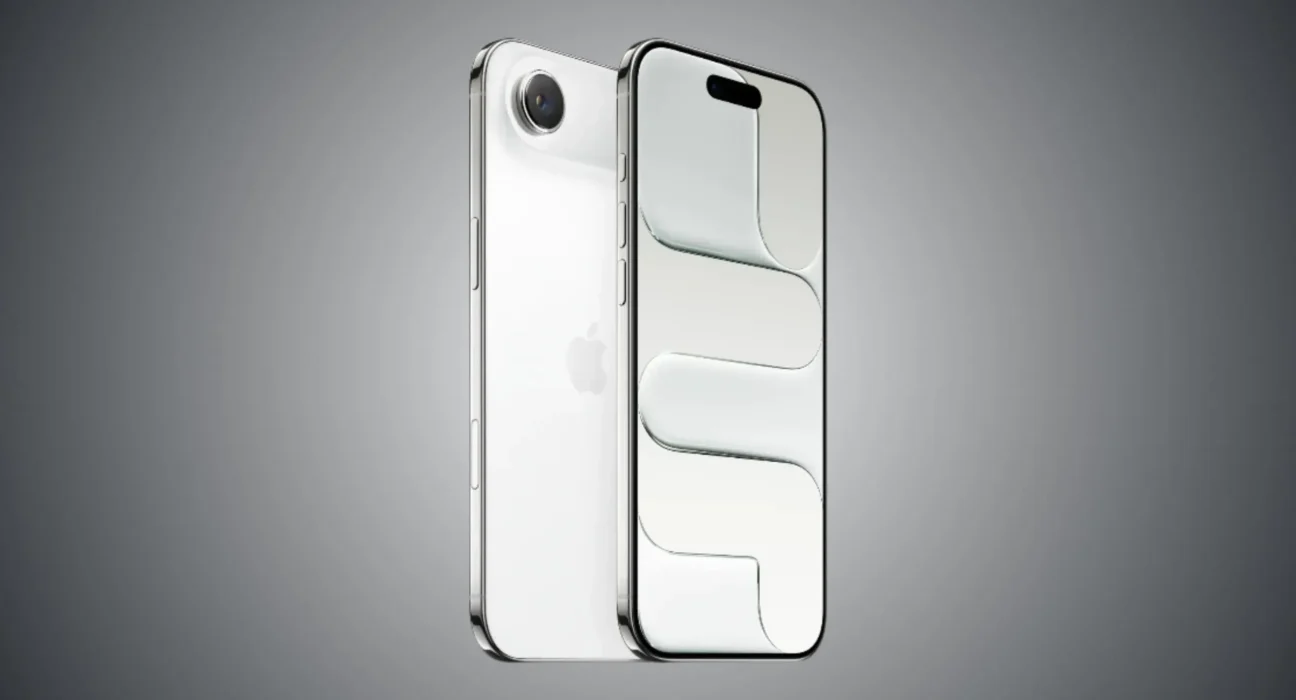
The biggest reason people are paying attention to the iPhone 17 Air is its ultra-thin design. Recent reporting has described it as Apple’s thinnest iPhone yet, with a body that is noticeably slimmer than the rest of the iPhone 17 family.
That design gives the phone a very different identity from the Pro models. Instead of feeling like a camera-heavy flagship built around maximum hardware, the Air is being discussed as a premium phone built around portability, comfort, and style.
For readers interested in where this fits into broader consumer tech shifts, our article on technology trends looks at how device makers are balancing performance, design, and everyday usability.
Design and Build
The iPhone 17 Air’s defining feature is its extremely thin body. That alone changes how the device is perceived. A thinner phone feels more pocketable, more elegant, and often more comfortable for daily use than bulkier premium devices.
Reports have also pointed to a lightweight premium frame and a display size that sits between smaller standard models and the largest Pro Max style phones. That could make the Air appealing to people who want a larger screen without carrying around the heaviest device in the lineup.
Display Experience
A design-focused iPhone still has to deliver a strong screen experience, and that is a big part of the iPhone 17 Air’s appeal. Expectations around the device have centered on a large OLED display with smooth refresh performance, making it attractive for video, reading, browsing, and gaming.
That matters because Apple is clearly not positioning the Air as a “lite” iPhone. It is trying to offer a premium everyday experience through screen quality, performance, and design rather than through camera count alone.
Performance and Hardware
The iPhone 17 Air is expected to offer flagship-grade speed for everyday users, which is one of the reasons it matters more than a simple design experiment. Reports suggest strong memory and chip performance, placing it well above what people usually expect from a thin-first device.
This means the Air is likely aimed at users who want premium Apple performance without stepping all the way into the more camera-focused Pro range.
If you are also tracking broader Apple hardware trends, our guide to the iPhone 17 Pro Max gives useful context for how Apple’s flagship phones compare in positioning and priorities.
Camera Tradeoffs
One of the most important things to understand about the iPhone 17 Air is that its thin design may require compromises. Current reporting suggests that the Air does not match the Pro models in camera flexibility.
That means buyers attracted to the thinner design may need to accept fewer camera options or less overall photographic versatility than they would get from a Pro model. For some users, that tradeoff will be completely worth it. For others, especially mobile photographers, it may be a major reason to look elsewhere in the lineup.
Battery Life Concerns
Battery life is another area where the iPhone 17 Air faces obvious scrutiny. Thin phones often generate excitement because of their form factor, but they also raise the same question every time: how much battery space had to be sacrificed to get there?
That is likely to be one of the biggest deciding factors for buyers. If the battery holds up well enough for real daily use, the Air could be very appealing. If the thin profile comes with noticeably weaker endurance, some buyers may decide the tradeoff is too large.
Price and Positioning
Recent reporting has suggested a starting price around the premium mid-tier range, placing the iPhone 17 Air above the standard iPhone 17 but below the top-end Pro Max positioning. That gives it a very specific role in Apple’s lineup.
The Air is not trying to be the cheapest iPhone. It is not trying to be the most feature-packed Pro model either. Instead, it appears to be aimed at buyers who want premium design, strong performance, and a more elegant form factor without necessarily paying for every pro-grade extra.
Security and Software
Another notable point around the iPhone 17 generation is Apple’s emphasis on security improvements. Reporting from The Verge highlighted Apple’s push around memory safety upgrades in this generation, including the iPhone Air.
That gives the iPhone 17 Air an advantage beyond aesthetics. For many users, security and long-term software support matter just as much as hardware design, especially on a device expected to stay relevant for years.
Who Should Consider the iPhone 17 Air?
The iPhone 17 Air may be a strong option for people who care most about:
- thin and lightweight design
- a premium Apple experience without the bulk of larger pro phones
- strong everyday performance
- a larger display in a more elegant body
It may be less ideal for users who care most about:
- maximum battery life
- advanced camera flexibility
- the most feature-complete flagship hardware Apple offers
External sources worth checking
For readers who want more detail from current reporting, these sources are helpful:
- MacRumors – iPhone Air roundup
- The Verge – iPhone 17 and iPhone Air security report
- Tom’s Guide – iPhone Air hands-on perspective
Final Thoughts
The iPhone 17 Air stands out because it tries to make design matter again in a category that often measures value only by raw specs. Apple’s lightest flagship is interesting not because it does everything better than the Pro models, but because it chooses a different balance of priorities.
For some buyers, that balance will be exactly right. A thinner, lighter, premium iPhone with strong performance may be more appealing than carrying a heavier flagship built around maximum camera hardware. For others, the likely battery and camera tradeoffs will still push them toward other models.
Either way, the iPhone 17 Air is one of the clearest signs that smartphone design is still evolving — and that not every flagship has to follow the same formula.
FAQs
What is the iPhone 17 Air?
The iPhone 17 Air is a premium, ultra-thin iPhone model positioned between Apple’s standard and Pro offerings.
Why is the iPhone 17 Air getting attention?
Because it emphasizes a thinner and lighter design while still aiming to deliver strong flagship-level performance.
Is the iPhone 17 Air better than the Pro models?
Not in every area. It appears stronger in portability and design, while Pro models are still better for users who prioritize cameras and maximum hardware features.
What is the likely downside of the iPhone 17 Air?
The biggest concerns are battery life and reduced camera flexibility compared with thicker premium models.