Renewable energy sources are forms of power that come from natural processes replenished faster than they are consumed. Unlike fossil fuels, which are finite and carbon-intensive, renewable energy helps reduce emissions, improve energy security, and support a cleaner long-term energy system.
In this guide, we explain the main types of renewable energy, how they work, the benefits they offer, and why they are central to the global energy transition. For more emerging technology coverage, visit the TechnosMedia home page or explore our article on top technology trends.
Table of Contents
ToggleWhat Are Renewable Energy Sources?
Renewable energy comes from natural resources that are continually replenished, such as sunlight, wind, moving water, geothermal heat, and organic material. These resources can be used to generate electricity, heat buildings, or produce transport fuels with far lower environmental impact than conventional fossil fuels.
As clean technology becomes more important across industries, renewable energy is increasingly tied to smarter grids, better storage systems, and more connected infrastructure. That wider shift also links with the rise of digital systems and connected platforms, as discussed in our guide on cloud technology for small business.
Main Types of Renewable Energy
1. Solar Energy
Solar energy captures sunlight and converts it into usable electricity or heat. Most people are familiar with photovoltaic panels, which generate electricity directly from sunlight. Solar power can be used on rooftops, in commercial systems, and in utility-scale solar farms.
One reason solar has become so important is its flexibility. It can power a single home, support a business facility, or contribute to national energy supply through large-scale installations.
2. Wind Energy
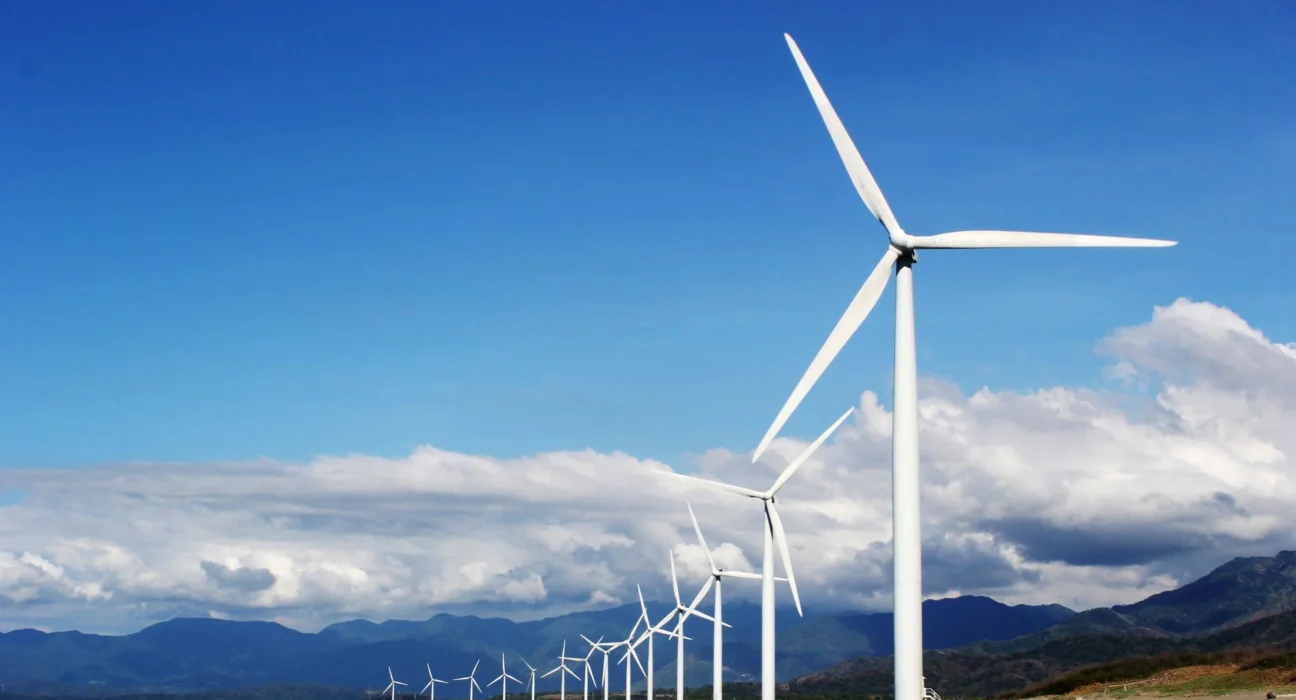
Wind energy uses turbines to convert the movement of air into electricity. Wind farms can be built on land or offshore, and many countries have expanded wind capacity as part of their clean energy goals.
Wind is especially valuable in regions with strong and consistent wind resources. It has become one of the key technologies helping countries reduce dependence on fossil-fuel-based electricity.
3. Hydropower
Hydropower generates electricity from flowing or falling water. It is one of the oldest and most established forms of renewable energy and remains a major contributor to renewable electricity generation worldwide.
Hydropower can come from large dams or smaller run-of-river systems. While it is highly efficient, environmental planning is important to manage ecological and social impacts responsibly.
4. Geothermal Energy
Geothermal energy taps heat from beneath the Earth’s surface. It can be used for electricity generation or direct heating, depending on local geology and infrastructure.
This source is especially useful because it can provide steady, reliable output rather than depending heavily on weather conditions. Regions with strong geothermal resources often use it as a stable part of their energy mix.
5. Biomass and Bioenergy
Biomass energy comes from organic materials such as wood residues, crop waste, or specially grown feedstocks. These materials can be used for heat, electricity, or conversion into liquid biofuels.
Bioenergy can play a useful role in the renewable mix, but it needs to be managed carefully. Sustainable sourcing is important to avoid harmful effects on forests, food systems, or biodiversity.
Benefits of Renewable Energy Sources
- Lower emissions: Renewable systems help reduce greenhouse gas emissions compared with fossil fuels.
- Energy security: Countries and communities can rely more on local resources instead of imported fuels.
- Long-term cost advantages: Many renewable technologies have low operating costs after installation.
- Job creation: Clean energy supports work in manufacturing, installation, operations, and maintenance.
- Innovation and resilience: Renewables support smarter energy systems, storage technologies, and distributed power generation.
These benefits explain why renewables are increasingly seen not just as an environmental option, but as an economic and strategic one as well.
How Renewable Energy Works with the Grid
Renewable systems often connect to the wider electricity grid so that power can be shared, balanced, and distributed efficiently. Because some sources, especially solar and wind, are variable, technologies like battery storage, demand management, and smart-grid controls are becoming increasingly important.
These connected systems allow utilities and operators to manage changing supply and demand more effectively. In that sense, renewable energy is not only about clean generation but also about modernizing how the energy system works.
Challenges of Renewable Energy Adoption
Although renewable energy offers major advantages, it also comes with practical challenges. Solar and wind can be intermittent, meaning output depends on weather and time of day. Large-scale integration often requires new transmission capacity, storage investment, and updated grid infrastructure.
There are also location-specific issues. Hydropower projects must account for ecosystems and communities, while biomass must be sourced sustainably. Still, continued innovation in storage, grid management, and system design is helping improve reliability over time.
Real-World Examples
Different countries are using different renewable strengths. Hydropower has long been central in some regions, while others have advanced rapidly in wind, solar, or geothermal energy depending on geography and policy support. This flexibility is one of the biggest strengths of renewables: each country or region can build around the resources it has most abundantly.
That broader shift is part of a larger transformation in how infrastructure, industry, and everyday technology are evolving together. If you are interested in where connected systems may lead next, our article on the future beyond smartphones explores that wider direction.
Authoritative Resources for Renewable Energy
Final Thoughts
Renewable energy sources are a cornerstone of the move toward a cleaner, more resilient energy future. From solar and wind to hydropower, geothermal, and bioenergy, each source plays a different role in helping reduce emissions, strengthen energy security, and modernize infrastructure.
As investment, storage, and grid technologies continue to improve, renewable energy will remain central to how countries, industries, and communities build a more sustainable future.
FAQs
What are renewable energy sources?
Renewable energy sources are natural forms of energy that replenish quickly, such as sunlight, wind, water, geothermal heat, and biomass.
Why are renewables important?
They help reduce emissions, improve energy security, support cleaner growth, and create a more sustainable long-term energy system.
Which renewable energy source is used the most?
Globally, hydropower remains the largest renewable source of electricity, while solar and wind continue to expand rapidly.