Smart home devices are no longer just novelty gadgets. The best ones can improve comfort, save time, reduce energy waste, and make your home more secure. Whether you want a smarter lighting setup, better climate control, stronger security, or more automation in daily routines, the right connected devices can make a noticeable difference.
The challenge is choosing products that actually work well together. Compatibility, ease of setup, privacy, and long-term usefulness matter more than flashy features. A smart home should make life simpler, not more complicated.
In this guide, we look at the most useful smart home devices for different parts of the home and explain what to consider before buying them.
Table of Contents
ToggleWhat Are Smart Home Devices?
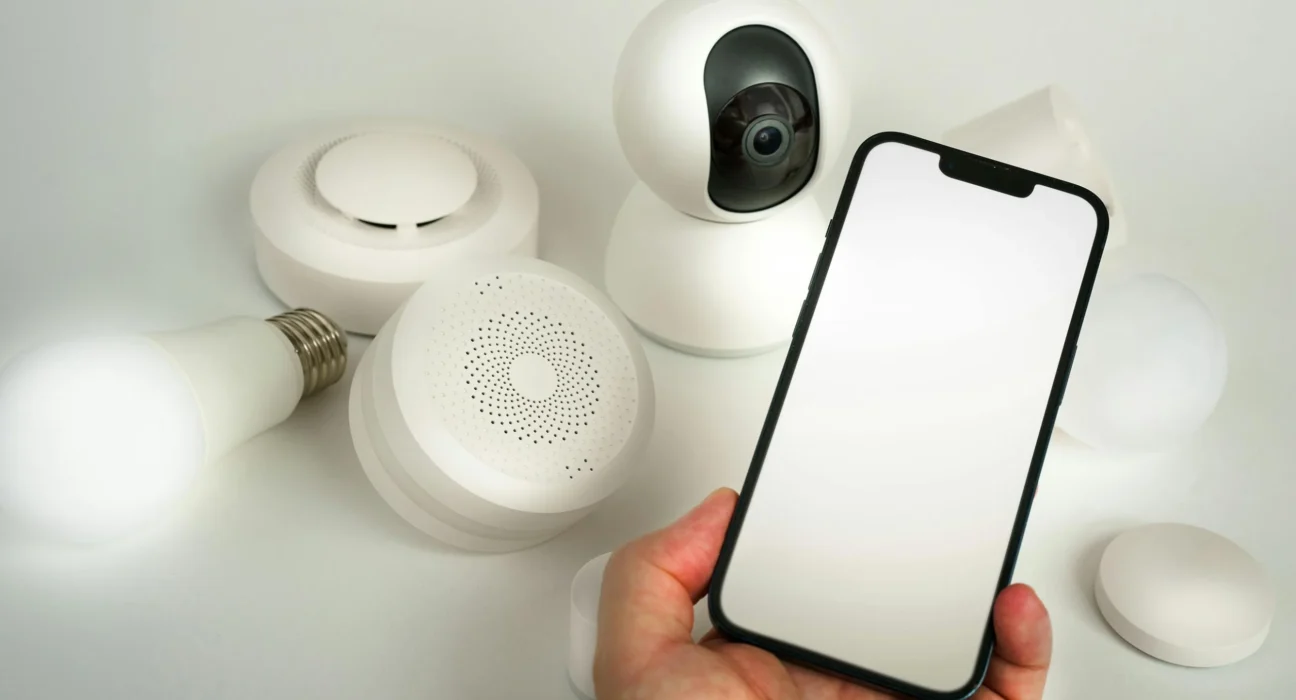
Smart home devices are internet-connected products that can be monitored, controlled, or automated through an app, voice assistant, hub, or routine. They can include lights, plugs, cameras, thermostats, doorbells, speakers, locks, sensors, robot vacuums, and more.
One reason smart homes have become easier to build is improving device compatibility. The Connectivity Standards Alliance describes Matter as a unifying smart-home standard designed to help reliable, secure devices work across major ecosystems. Google also explains that Matter allows Matter-certified devices to work with different supported smart-home platforms through a common protocol.
Why Smart Home Devices Matter
The best smart home devices solve practical problems. They can help you automate repetitive tasks, adjust your home environment more easily, monitor what is happening when you are away, and improve convenience for the whole household.
Common benefits include:
- better home security and monitoring
- energy savings through smarter heating, cooling, and lighting
- hands-free control through voice assistants and routines
- more convenience for cleaning, entertainment, and daily schedules
- better visibility into what devices are doing around the home
1. Smart Lighting Devices
Smart lighting is often the easiest place to start. Smart bulbs, light strips, lamps, and switches let you control brightness, schedules, and in some cases color temperature or scenes from your phone or voice assistant.
Good smart lighting can do more than turn on and off remotely. It can support routines such as lights gradually dimming in the evening, turning on when you arrive home, or helping make a room feel more comfortable for reading, working, or relaxing.
For many households, smart lighting offers the fastest and simplest smart-home upgrade.
2. Smart Speakers and Displays
Smart speakers and displays act as central control points for many connected devices. They make it easier to set routines, check the weather, control lights, stream music, or manage other smart products without opening multiple apps.
If you plan to build a larger smart-home setup, choosing your preferred ecosystem early can save time later. Whether you use Alexa, Google Home, Apple Home, or another platform, consistency helps keep your smart home easier to manage.
3. Smart Home Security Devices
Security is one of the most practical categories in the smart-home market. Cameras, video doorbells, motion sensors, contact sensors, alarms, and smart locks can help homeowners monitor activity, receive alerts, and improve peace of mind.
For many people, a smart video doorbell or outdoor camera is one of the first upgrades worth making. These devices can help you monitor deliveries, check unexpected activity, or review events while away from home.
Security should also include device safety. NIST’s consumer IoT cybersecurity work highlights the importance of better security expectations for connected home products such as routers and IoT devices. If you are adding connected cameras, locks, or sensors, it is worth paying attention to device security and update support. You can review NIST’s consumer guidance on consumer IoT cybersecurity.
4. Smart Thermostats and Climate Devices
Smart thermostats are among the most useful smart home devices because they can improve both comfort and efficiency. They allow remote control, scheduling, and in some cases geofencing or learning features that adapt to your routine.
According to ENERGY STAR, many smart thermostats can automatically adjust to energy-saving temperatures when you are asleep or away, and geofencing can help the system respond when you are on your way home. You can learn more on ENERGY STAR’s page about smart thermostats.
If your goal is lower utility waste and easier climate control, this category is one of the strongest smart-home investments.
5. Smart Plugs and Smart Switches
Smart plugs and switches are a practical and affordable way to automate traditional devices. They let you control lamps, fans, small appliances, and other electronics on a schedule or from your phone.
This is a good option for people who want more convenience without replacing every device in the house. A few well-placed smart plugs can help create routines for lighting, heating accessories, or seasonal devices without a full smart-home overhaul.
6. Robot Vacuums and Smart Cleaning Devices
Cleaning devices are among the most visibly useful smart products because they save time in an immediate way. Robot vacuums and smart mops can run on schedules, map rooms, and reduce the amount of daily maintenance needed to keep floors tidy.
This category is especially helpful for busy households, pet owners, or anyone who wants less friction in everyday chores. If you are also interested in broader consumer-tech upgrades around the home, our guide to AI gadgets looks at other practical automation trends.
7. Smart Entertainment Devices
Smart TVs, streaming devices, and connected speakers can turn a living room into a more flexible entertainment space. The real value is not just streaming apps. It is how entertainment devices connect with the rest of the home, such as lights dimming automatically for movie night or voice control simplifying playback.
For readers thinking about a broader setup across rooms and product categories, our article on technology trends explains how connected ecosystems and home automation continue to evolve.
8. Smart Air Quality and Wellness Devices
Air purifiers, air-quality monitors, humidifiers, and wellness-focused sensors are becoming more common in connected homes. These devices can help users monitor indoor conditions and adjust settings automatically for comfort.
For families with allergies, urban pollution concerns, or a focus on sleep and wellness, this category can provide more practical value than trend-driven gadget shopping.
9. Smart Blinds, Sensors, and Routine-Based Automation
Some of the best smart home devices are the ones you notice the least. Motion sensors, contact sensors, smart blinds, and simple routines can make a home feel more responsive without requiring constant manual control.
For example, lights can turn on when a hallway detects movement, blinds can close in the evening, or heating can adjust based on occupancy. These smaller automations often create the biggest sense of convenience over time.
How to Choose the Best Smart Home Devices
Before buying anything, think about how the device will fit into your daily routine. The best smart home devices are not necessarily the most advanced ones. They are the ones that are useful, compatible, and easy to maintain.
Here are a few things to check before buying:
- compatibility with your preferred ecosystem
- whether the device supports Matter or another widely used standard
- privacy settings and software update support
- how easy setup and maintenance are
- whether the device solves a real household problem
If you are comparing this topic with other categories, our guide to the future beyond smartphones also explores how connected devices may become a bigger part of daily computing.
Should You Start Small or Build a Full Smart Home?
For most people, starting small is the better move. A few useful devices are often better than a large setup that becomes frustrating to manage. Smart bulbs, a thermostat, a speaker, and a camera or doorbell are often enough to build a strong foundation.
Once those basics work well, you can decide whether adding more connected devices is worth it for your home and lifestyle.
Final Thoughts
The best smart home devices are the ones that improve everyday life in practical ways. Lighting, security, climate control, smart plugs, cleaning devices, and simple automation routines often provide the clearest value.
A good smart home does not need to be full of gadgets. It needs to be reliable, easy to use, and built around real needs. If you choose compatible, secure, and genuinely useful products, smart home devices can make your home more comfortable, efficient, and convenient without adding unnecessary complexity.
FAQs
What are the most useful smart home devices?
The most useful smart home devices often include smart lights, smart thermostats, video doorbells, smart speakers, smart plugs, and robot vacuums because they provide immediate convenience and practical value.
Are smart home devices worth it?
Yes, smart home devices can be worth it if they solve everyday problems such as security monitoring, energy control, cleaning, or scheduling. The best results usually come from buying a few useful devices instead of too many at once.
What should I buy first for a smart home?
Many people start with smart bulbs, a smart speaker, a thermostat, or a camera. These categories are relatively easy to set up and make it easier to decide how much home automation you want later.
Do smart home devices need a hub?
Some do and some do not. Many smart home devices work directly with Wi-Fi or a major platform app, while others perform better with a dedicated hub or controller depending on the ecosystem and standard they use.